

When Skin Treatments Stop Working and What to Do Next
Anti-aging skin treatments are all the rage, especially since they don’t require expensive surgeries. But what are you supposed to do if and when your favorite, tried-and-true treatment suddenly stops delivering?
After the first few sessions of a laser treatment, a series of chemical peels, or a new injectable regimen, the results are undeniable. The skin looks brighter, tighter, and more youthful.
But around the fifth or sixth session, many patients find that progress stalls. The glow starts to feel less luminous, the fine lines seem to stop fading, and you may even wonder if you’re just throwing money away.
This is what we call a treatment plateau, and it’s a normal part of the aesthetic journey. However, it’s frequently misunderstood as a failure of the product, the provider, or both.
In actuality, a treatment plateau is merely a signal from your skin that its needs have changed. Read on to learn why treatments stop working and how to pivot strategically to keep your skin glowing and youthful long term.
Why Does Skin Respond Differently Over Time?
Skin is a dynamic, living organ, the largest one in the human body, in fact. Its ability to respond to clinical intervention is governed by biology, which is constantly in flux.
As we age, cellular turnover slows. A treatment that stimulated rapid collagen production in your 30s may not elicit the same emergency response from your fibroblasts in your 50s.
Similarly, hormonal shifts, particularly during perimenopause or periods of high stress, alter the skin’s sebum production and thickness, affecting how it interacts with lasers or topical acids.
When subjected to repeated controlled trauma (as most cosmetic skin treatments do), the skin eventually adapts. It builds resilience. While resilience is generally good, it means the skin may no longer perceive a standard treatment intensity as a reason to regenerate.
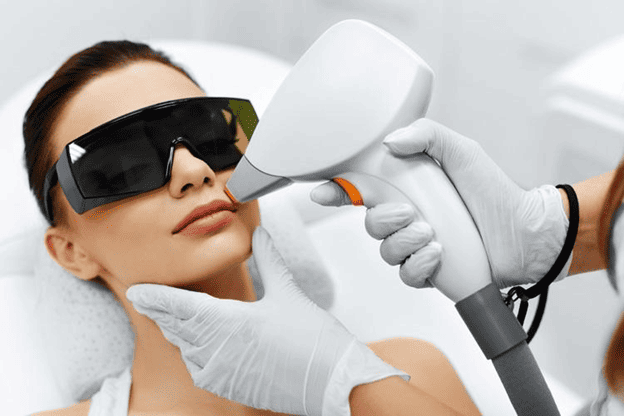
Conversely, sometimes the skin has simply reached the ceiling of what a specific modality can achieve. If a laser has successfully cleared 90% of your sun damage, the remaining 10% may be deeper or of a different pigment type that the specific wavelength cannot reach, for example.
Also Read: The New Era of “Natural Aesthetics”: Subtle Enhancements, Lasting Confidence
Signs Your Treatment Is No Longer the Right Fit
- Diminishing Returns: You notice that the wow factor after a session lasts only a few days rather than weeks.
- Maintenance Loop: You feel like you are treating the skin just to keep it from getting worse, rather than seeing any actual improvement in quality.
- Increased Sensitivity: If a treatment that was once comfortable now leaves your skin feeling stripped or irritated, your skin barrier may be over-stressed.
- Static Concerns: If a specific dark spot or wrinkle has remained unchanged for three consecutive months, the current tool is likely not the right match for that tissue.
Common Reasons for Effectiveness Loss
One of the most frequent mistakes is repeating the same modality for too long. For example, we see patients who have had monthly microdermabrasion for five years. While the skin is clean, the deeper structural issues of volume loss or laxity are being ignored.
Another factor is treating symptoms instead of causes. If you are treating adult acne with harsh peels but haven’t addressed a hormonal imbalance or a compromised gut microbiome, the peels will eventually stop working because the internal trigger is still firing.
Additionally, changes in health like new medications, significant weight loss, or even a change in local climate can render your old skin plan obsolete.
This is why a great skin treatment plan should be a living document versus a permanent prescription. Every six to 12 months, a formal reassessment is necessary to revisit your original goals:
Are you still trying to clear pigmentation, or has your concern shifted to skin laxity? Has your lifestyle changed?
If you’ve started a new outdoor hobby, a series of aggressive photosensitizing peels might no longer be a safe option.
Sometimes, the best next step is actually to pause. Giving the skin three months of rest with nothing but high-quality hydration can reset the skin’s receptivity, making future treatments more effective.
Also Read: Juvederm vs Radiesse: Which Filler Is Better for Long-Lasting Facial Volume?
What to Do Before Switching Treatments
Before jumping into a more aggressive and likely more expensive procedure, you should first audit your skin’s foundation:
Is your skin hydrated and resilient? A compromised skin barrier cannot heal properly, meaning it won’t produce the collagen you’re asking for.
What does your at-home skincare look like? 70% of skin results happen at home. If you are using medical-grade lasers but washing your face with bar soap, you are sabotaging your investment.
Furthermore, smoking, high sugar intake, and poor sleep quality create inflammation, which acts as a brake on any aesthetic improvement.
When a plateau is confirmed, it’s time to shift from corrective to regenerative thinking. If you have been focusing on the surface with peels or microdermabrasion, it may be time to move deeper. This might mean transitioning to RF Microneedling or Ultherapy to address the structural scaffold of the skin.
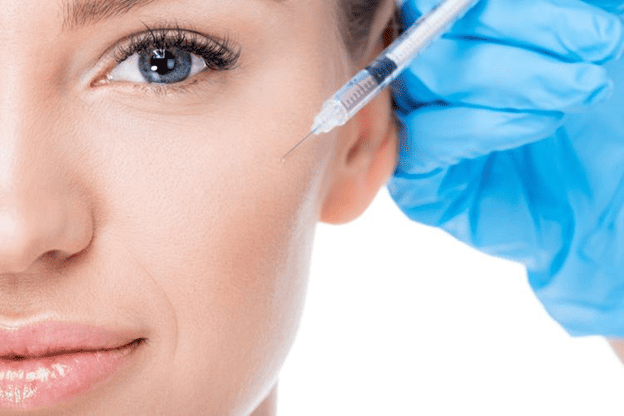
We are also seeing a major shift toward skin quality over surface changes. Instead of just trying to blast away a wrinkle, we’ll focus on biorevitalization by using injectable treatments to improve the underlying structure of the skin so that other treatments work better.
Staged and Combination Treatments
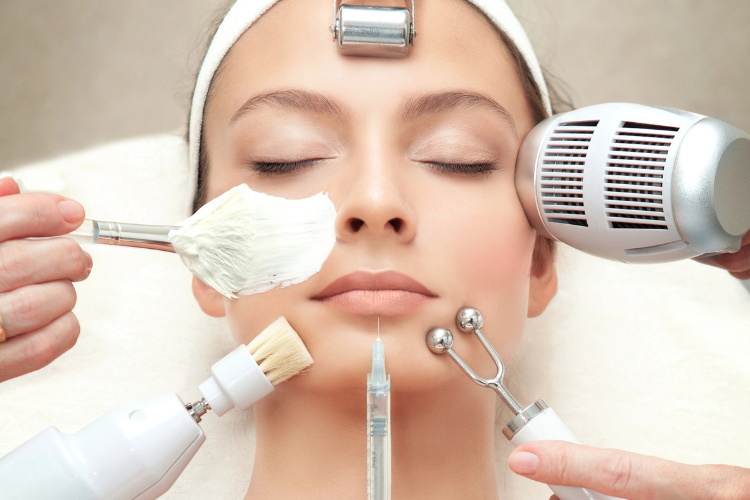
The most successful modern protocols are rarely single-modality. Instead, they are staged, much like building a house. Just as you wouldn’t put the wallpaper up before the drywall, sequencing matters with anti-aging skin treatments.
For example, you might start with a vascular laser to calm redness and inflammation, followed by microneedling to build collagen, and finish with a series of light peels to refine the texture.
By stacking treatments that target different skin layers and address different cosmetic concerns, you prevent adaptation and maintain a positive, long-term transformation.
Also Read: What Makes a Medical Spa ‘Medical’? Licensing, Safety & Standards Explained
Don’t Let Your Results Plateau. Get an Expert Treatment Plan.
More treatment is not always better treatment. The most beautiful, resilient skin isn’t created by escalation and intensity but through strategic adjustment and a deep respect for the skin’s natural limits.
When your results plateau, it doesn’t mean your treatments have failed. It means your skin has integrated the benefits of your current plan and is now ready for a new challenge.
By focusing on health and resilience over sheer repetition, you can make sure that your skin doesn’t just look better for a week, but that it stays better for a lifetime.
Has your skin hit a wall? Don’t settle for a maintenance cycle that isn’t delivering. Schedule an appointment today at Elite Medical Spa of Sarasota for a professional consultation.