

Botox for Masseter Muscles: What Sarasota Patients Should Know
Masseter Botox involves injecting botulinum toxin into the masseter muscles to temporarily reduce their activity. In appropriate patients, this can decrease muscle bulk and create a narrower lower-face appearance. The treatment is also used off-label in some patients to manage excessive muscle activity associated with jaw clenching or teeth grinding.
At Elite Medical Spa of Sarasota, patients considering masseter Botox are evaluated to determine whether enlarged or overactive masseter muscles are contributing to their concerns. Results vary depending on the reason for treatment and the individual response.
That said, here’s what you need to know if you’re wondering about Botox for masseter muscles and what we tell our patients they can realistically expect:
Disclaimer – This article was written under the guidance of licensed, professional team members at Elite Medical Spa of Sarasota. The information below is intended for educational purposes only and is not a substitute for an in-person consultation with a licensed healthcare provider.
What Is Masseter Botox and How Does It Work?
The masseter is a thick, powerful muscle located at the angle of the jaw on each side of the face that facilitates chewing and elevating the mandible. In some individuals, the masseter becomes enlarged through habitual clenching, grinding, or genetic predisposition, creating greater bulk at the lower face.
Masseter Botox is the application of botulinum toxin specifically to the masseter muscles rather than the more commonly treated facial expression muscles of the upper face. It uses carefully placed injections of botulinum toxin to temporarily reduce activity in targeted portions of the muscle.
When the muscle contracts less forcefully over time, its bulk can gradually diminish. This reduction in muscle size can produce a facial-slimming effect in patients whose lower-face width is significantly influenced by the masseters. The treatment does not remove bone or change the underlying skeletal structure; it only influences the soft-tissue component contributed by the masseter itself.
Also Read: Botox Isn’t Just for Lines: How It’s Used to Rebalance Facial Movement
What Does Masseter Botox Do to the Jawline?
Prominent masseter muscles can contribute to a wider or more square-looking jawline. When the muscles are hypertrophied, they add visible width at the angle of the mandible, creating a stronger, more angular contour. Jawline Botox targets this muscular contribution so that the lower face may appear softer and more tapered once the muscle bulk decreases.
It is important to distinguish muscle-related width from jaw structure determined by bone. Patients whose square appearance comes primarily from a broad mandibular bone or other skeletal features will not experience the same degree of change from masseter treatment alone. Facial slimming results therefore vary.
The most noticeable slimming tends to occur when enlarged masseter muscles are a significant contributor to lower-face width. If the width comes primarily from the underlying jawbone or other facial structures, reducing masseter activity may produce less visible change.
Masseter Botox for Jaw Clenching, Teeth Grinding & Bruxism
Excessive masseter activity often accompanies jaw clenching and teeth grinding, also known as bruxism. When the muscle remains tense for long periods, patients may experience jaw fatigue, discomfort, headaches, or dental wear. Some individuals seek masseter Botox for functional reasons in addition to, or instead of, cosmetic goals.
When used off-label for jaw clenching or bruxism, botulinum toxin reduces the force the treated masseter can generate. Some patients experience improvement in muscle-related discomfort or clenching symptoms, although response varies and the treatment does not address every cause of bruxism. Suitability and any therapeutic use should always be determined by a qualified healthcare professional who can evaluate the full clinical picture, including dental and medical history.
Also Read: How to Combine Botox and Fillers for Maximum Anti-Aging Results
What to Expect From Masseter Botox Treatment
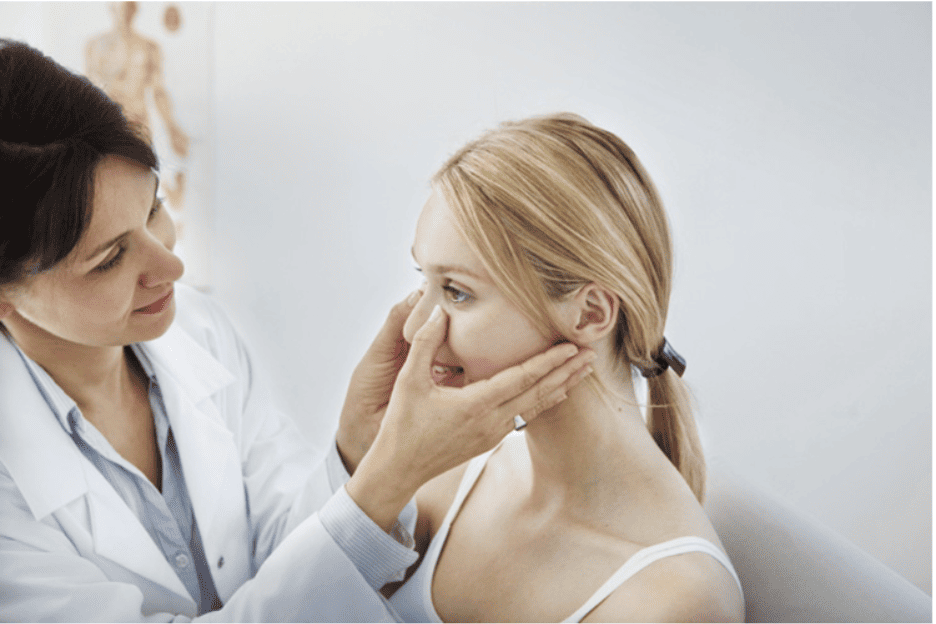
The process begins with a professional consultation and assessment where the provider examines facial anatomy, palpates the masseter muscles to gauge their size and activity, reviews treatment goals, and gathers relevant medical history. This step also identifies any contraindications or factors that might influence dosing and placement.
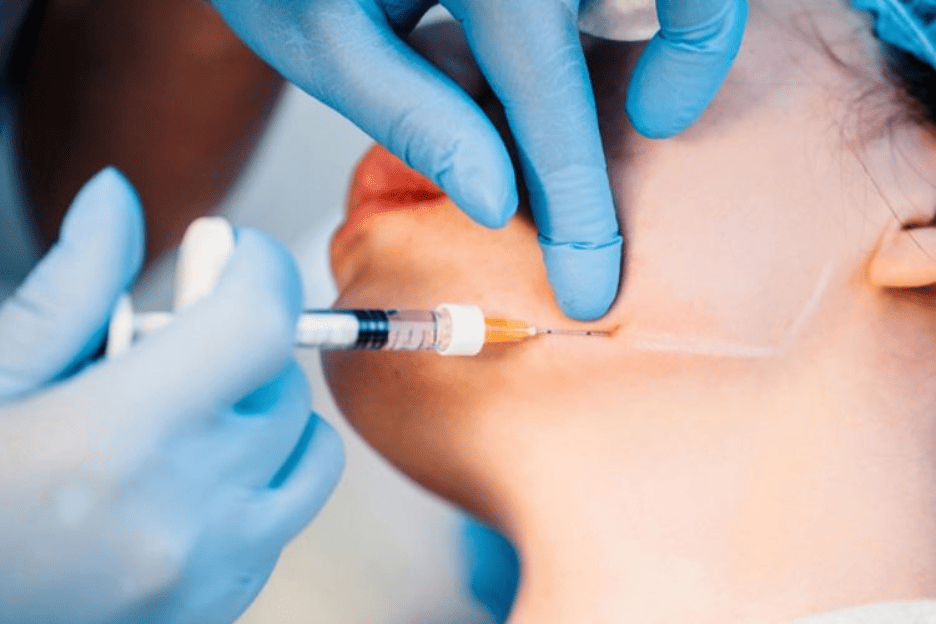
During masseter Botox treatment, the provider administers small, precise injections into specific regions of each masseter. The injections themselves are typically brief, although appointment length varies. Dose and placement are determined according to the muscles being treated and the intended treatment goal. Patients may feel mild pressure or a brief pinch, but most tolerate the injections well.
Facial slimming develops gradually as masseter activity decreases and the muscle begins to reduce in size. Changes generally become more noticeable over the following weeks rather than immediately after treatment.
Changes in clenching-related symptoms may follow a different timeline, and the timing and degree of improvement vary from patient to patient. Follow-up allows the provider to assess progress and discuss future treatment if desired.
Side effects can include injection-site pain, bruising, temporary asymmetry, changes in chewing strength, or unintended effects on nearby muscles. Botulinum toxin products also carry warnings for rare but serious effects if the toxin spreads beyond the injection area. Potential risks should be reviewed before treatment, particularly because treatment of the masseter muscles is an off-label use.
Is Masseter Botox Right for You?
Masseter Botox may be considered when enlarged or overactive masseter muscles contribute to lower-face width or jaw-muscle symptoms. It is less likely to create substantial facial slimming when jaw width comes primarily from bone structure.
Also Read: 5 Surprising Ways Botox Can Refresh Your Look (Beyond Wrinkle Reduction)
Masseter Botox in Sarasota
Masseter Botox can reduce muscle bulk when enlarged masseters contribute to a wider lower face. It may also be used off-label to reduce excessive masseter activity associated with clenching or teeth grinding, although results vary and it does not address every cause of bruxism.
If you are considering masseter Botox in Sarasota, schedule a consultation at Elite Medical Spa of Sarasota to discuss your concerns and whether treatment may be appropriate.
Frequently Asked Questions
What is masseter Botox and how does it work?
Masseter Botox is the injection of botulinum toxin into the masseter muscles at the angle of the jaw. It temporarily reduces muscle contraction, which can lead to a gradual decrease in muscle bulk and a softer lower-face contour in appropriate patients.
Can masseter Botox slim your face and make your jawline smaller?
In patients whose jaw width is largely due to enlarged masseter muscles, treatment may reduce lower-face width and create a less square jawline appearance. Results are limited when width is primarily determined by bone structure.
How long does it take to see results from masseter Botox?
Visible changes typically develop over several weeks as muscle activity decreases and bulk reduces. Full effect is usually assessed after this gradual period rather than immediately after injection.
Is masseter Botox safe for jaw clenching and teeth grinding?
Botox is used off-label in the masseter muscles for some patients with jaw clenching or bruxism. It can reduce masseter contraction strength, but it does not address every cause of teeth grinding or jaw symptoms. Whether it is appropriate depends on the patient’s symptoms, medical and dental history, and clinical evaluation.