


What Is a Medical Spa? A Complete Guide for First-Timers
Thinking about visiting a medical spa for the first time? Maybe you’ve noticed that your usual skincare routine isn’t doing much for fine lines or uneven texture. Perhaps you’re interested in Botox, curious about body contouring, or wondering whether professional treatments could help with changes in your skin.
The options can be confusing, especially when you’re unfamiliar with the difference between a medical spa, a traditional day spa, and a plastic surgery practice. You may also have questions about safety, discomfort, cost, or whether you’ll be expected to commit to treatment during your first appointment.
A medical spa, often called a med spa, offers aesthetic treatments in a setting that combines professional skincare with medical services. Depending on the practice, treatments may include injectables, advanced skin rejuvenation, body contouring, and other nonsurgical procedures.
At Elite Medical Spa of Sarasota, we offer aesthetic services for clients interested in improving their skin, addressing visible signs of aging, and exploring nonsurgical treatment options. If you’re new to medical spas, understanding what they offer and what happens during a consultation can help you feel more comfortable about your first visit.
What Is a Medical Spa, and How Is It Different From a Day Spa?
A medical spa provides cosmetic services that may include treatments requiring medical evaluation, prescription products, or specialized equipment. Unlike a traditional day spa, which generally focuses on relaxation and routine skincare, a medical spa may offer procedures that address facial muscle activity, volume loss, skin texture, and other aesthetic concerns.
For example, a traditional facial can help cleanse and hydrate your skin. Botox works differently by temporarily relaxing specific muscles that contribute to expression lines. Dermal fillers can restore or add volume in selected areas, while certain energy-based treatments target concerns such as uneven texture or skin laxity.
Medical spas may also offer conventional facials and other skincare services. The distinction isn’t simply whether a treatment reaches beneath the skin. What matters is the type of procedure being performed, the qualifications of the provider, and the level of medical oversight required.
Medical Spa vs. Plastic Surgery: Which Is Right for You?
Medical spas and plastic surgery practices can address some of the same cosmetic concerns, but they often approach them differently.
If you’re beginning to notice forehead lines, mild changes in facial volume, or uneven skin texture, nonsurgical treatments may be worth exploring. These procedures can offer noticeable improvements without the recovery associated with an operation, although results and treatment limitations vary.
Surgery may be more appropriate when someone wants a substantial change to facial or body structure or has significant excess skin. A facelift, for example, can reposition deeper facial tissues and remove excess skin in ways that injectable treatments cannot.
Neither approach is automatically better. The right choice depends on the concern, the degree of improvement you’re hoping for, and your willingness to undergo treatment and recovery.
A reputable aesthetic provider should also be willing to explain when a nonsurgical treatment is unlikely to deliver the result you want.
Also Read: The New Era of “Natural Aesthetics”: Subtle Enhancements, Lasting Confidence
What Treatments Can You Get at a Medical Spa?
Medical spas offer a wide range of services, and the available treatments vary by practice. Some focus primarily on injectables and facial rejuvenation, while others provide body contouring, advanced skincare, and energy-based procedures.
Elite Medical Spa of Sarasota offers several aesthetic treatment options. Here’s how the services discussed below differ and what they may help improve.
Botox, Dysport, and Other Neuromodulators
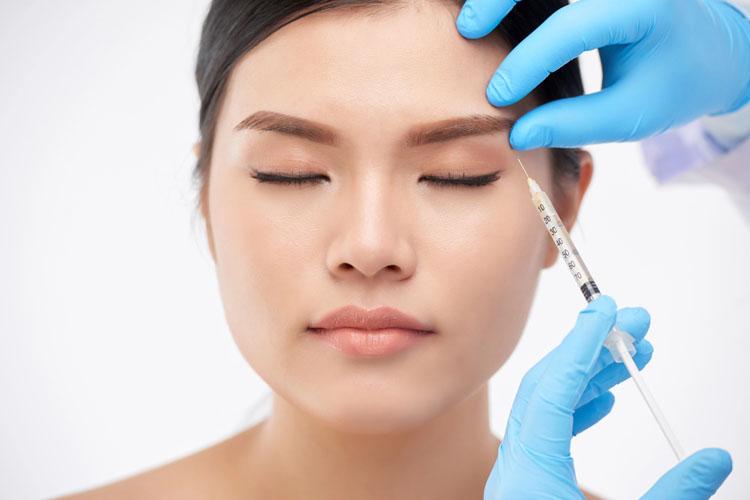
If forehead lines or crow’s feet are becoming more noticeable, you may be curious about Botox or Dysport.
These injectable neuromodulators temporarily reduce activity in selected facial muscles. Because repeated muscle movement contributes to expression lines, relaxing those muscles can soften the appearance of certain wrinkles.
Common treatment areas include forehead lines, frown lines between the eyebrows, and crow’s feet around the eyes.
Results aren’t immediate. Changes generally develop over several days, and the effects gradually wear off over the following months. The appropriate dose and injection pattern depend on your facial anatomy, muscle activity, and treatment goals.
One concern first-time clients often have is whether Botox will make their face look stiff or unnatural. Your provider should discuss the degree of movement reduction you’re comfortable with and explain what treatment can realistically achieve.
Bruising, swelling, temporary asymmetry, and other adverse effects are possible. More serious complications are uncommon but should still be discussed before treatment.
Dermal Fillers for Facial Volume and Contour
Not every facial line develops because of muscle movement. As you age, changes in facial fat, bone structure, and skin support can affect the appearance of your cheeks, lips, and lower face.
Hyaluronic acid dermal fillers are used to add or restore volume in selected areas. Depending on the product and treatment plan, fillers may help improve facial contours, soften certain folds, or enhance lip definition.
The goal doesn’t have to be a dramatic change. Some clients want subtle improvement in an area that has gradually lost fullness, while others are interested in enhancing a particular facial feature.
Fillers do have limitations, and adding volume isn’t always the right solution for skin laxity or facial aging. Your provider should evaluate your concerns before recommending a product or treatment area.
It’s also important to understand the risks. Swelling and bruising are relatively common, while rare complications involving blood vessels can cause tissue injury, vision loss, or other serious consequences. This is why injector qualifications, knowledge of facial anatomy, and emergency preparedness matter.
Morpheus8 and RF Microneedling
Fine lines aren’t the only reason clients visit a medical spa. Changes in skin texture, acne scarring, and mild laxity can also become more noticeable over time.
Morpheus8 is a radiofrequency microneedling treatment that combines tiny needles with controlled radiofrequency energy. The treatment creates controlled injury in the skin and delivers heat to targeted tissue, stimulating a healing response that can support collagen remodeling.
Depending on the treatment area and individual circumstances, RF microneedling may help improve certain textural concerns, acne scars, and skin firmness.
It isn’t an instant skin-tightening solution. Improvements develop gradually, and multiple sessions may be recommended. Redness, swelling, pinpoint marks, and temporary sensitivity can occur after treatment.
RF microneedling also carries risks, including burns, pigmentation changes, scarring, and unintended fat loss. Careful patient selection, appropriate settings, and qualified treatment providers are particularly important.
If you’re considering Morpheus8, ask what degree of improvement is realistic for your concern and how much recovery time you should allow.
Emsculpt NEO for Body Contouring
Body contouring treatments are another reason clients explore medical spas, especially when they’re interested in changes that don’t require surgery.
Emsculpt NEO combines high-intensity focused electromagnetic technology, known as HIFEM+, with radiofrequency energy. The electromagnetic component produces strong muscle contractions, while radiofrequency heating targets tissue in the treated area.
The treatment is intended to improve muscle tone and reduce localized fat in suitable candidates. It isn’t a weight-loss treatment and shouldn’t be viewed as a substitute for exercise or healthy lifestyle habits.
Some clients are interested in abdominal definition, while others want to address specific areas where body contours have changed.
A consultation can help determine whether the treatment is appropriate for your goals. Certain medical conditions and implanted devices may make electromagnetic or radiofrequency treatments unsuitable, so medical screening is essential.
Growth Factor and Advanced Skin Rejuvenation Treatments
You may also encounter medical spa treatments involving growth factors or other products intended to support skin rejuvenation.
Growth factors are signaling proteins involved in biological processes such as cell communication and tissue repair. However, the clinical evidence, approved uses, and regulatory status of products containing growth factors vary considerably.
Elite Medical Spa of Sarasota’s draft service information identifies AriesSence Pure PDGF as an advanced rejuvenation offering. Before considering this or a similar treatment, ask how the product is administered, what it is intended to accomplish, whether the proposed use is FDA-approved, and what clinical evidence supports the expected results.
Claims about skin repair, collagen improvement, or hair restoration should be evaluated individually rather than assuming every growth factor product provides the same benefits.
Your provider should explain the available evidence, potential risks, alternatives, and whether the treatment is appropriate for your particular concern.
Also Read: How Do Medical Spas Personalize Treatment Plans for Better Results?
What Happens During Your First Medical Spa Appointment?
One of the biggest misconceptions about visiting a medical spa is that you need to arrive knowing exactly which procedure you want.
You don’t. In fact, starting with a concern rather than a specific treatment can make the consultation more useful.
You might say that your skin has started looking tired, that forehead lines bother you in photographs, or that you’re interested in improving texture without taking significant time away from work. Those details give your provider a starting point.
You’ll Talk About What You Want to Improve
Your first consultation should begin with a discussion of your goals. Some clients have one specific concern, while others aren’t sure what’s causing the changes they’ve noticed.
Your provider may examine your skin, facial movement, volume distribution, or the area you’re considering treating. This helps distinguish concerns that look similar but respond to different procedures.
For instance, a line caused mainly by facial movement may respond differently from a crease associated with skin laxity or volume loss. Understanding that distinction can prevent you from spending money on a treatment that isn’t well suited to the problem.
Your Medical History Matters
Before recommending treatment, your provider should ask about relevant medical conditions, medications, allergies, previous procedures, and other factors that may affect safety.
Be prepared to discuss prescription medications, supplements, pregnancy or breastfeeding status when relevant, and any history of unusual reactions to cosmetic treatments.
Certain procedures also require screening for active infections, implanted devices, skin conditions, or medications that may affect healing.
These questions aren’t just paperwork. They help determine whether a treatment is appropriate and whether precautions or alternatives are needed.
You’ll Review Your Options Before Deciding
A useful consultation should leave you with a clearer understanding of what each recommended treatment can accomplish, how long results may last, and what risks or recovery requirements are involved.
You should also know whether multiple sessions are likely, what maintenance may involve, and how much the treatment will cost.
Some clients are ready to proceed after their consultation. Others prefer to go home, consider their options, or compare treatments before making a decision.
There’s nothing wrong with taking time to think. Cosmetic treatment is elective, and you should feel comfortable with the decision before moving forward.
Are Medical Spa Treatments Safe?
Medical spa treatments can be performed safely when patients are properly evaluated and procedures are carried out by appropriately trained, licensed professionals. However, no cosmetic procedure is entirely risk-free.
Even familiar treatments such as Botox and dermal fillers require knowledge of anatomy, product selection, injection technique, and complication management. Energy-based treatments introduce different considerations, including skin type, device settings, and the possibility of burns or pigmentation changes.
Medical oversight is important, but the presence of a medical director alone doesn’t tell you everything about the quality of care. You should know who will perform your procedure, what qualifications they hold, and how complications are handled.
Questions Worth Asking Before Treatment
If you’re new to medical spas, don’t hesitate to ask direct questions. A professional consultation should make room for them.
- Who will perform my treatment, and what is their professional license and experience with this procedure?
- Is the treatment appropriate for my skin type, medical history, and goals?
- What side effects and complications should I know about?
- What results are realistic, and how long might they last?
- Will I need more than one appointment or ongoing maintenance?
- What is the total expected cost, including follow-up treatments?
- What should I do if I experience an unexpected reaction?
You don’t need a medical background to ask these questions. Clear, understandable answers are part of informed consent.
Also Read: What Medical Spas Consider Before Recommending Injectables
How Much Do Medical Spa Treatments Cost in Sarasota?
Medical spa pricing varies considerably because treatments differ in complexity, products, equipment, and the amount of time involved.
Injectable treatments may be priced according to the product and quantity used. Body contouring and energy-based procedures may involve a recommended series of sessions, while other services are priced per appointment or treatment area.
A lower advertised price doesn’t always reflect the total cost of achieving your goal. For example, an initial treatment may require maintenance, or a provider may recommend multiple appointments to address a concern.
Before booking, ask for an estimate that explains what’s included. If a treatment plan involves several sessions, find out whether the quoted amount covers the full series.
Cost matters, but it shouldn’t be the only consideration. Provider qualifications, appropriate treatment selection, and clear safety practices deserve equal attention.
How to Choose the Right Medical Spa for Your First Visit
A polished treatment room and an extensive service menu can make a good first impression. They’re not enough, however, to tell you whether a practice is the right fit.
Look for a medical spa that clearly identifies its providers, explains its treatments without exaggerated promises, and gives you enough information to make an informed decision.
Be cautious of guarantees about wrinkle removal, permanent results, or dramatic changes without downtime. Cosmetic outcomes vary, and responsible providers should acknowledge limitations.
Pay attention to how the consultation feels, too. You should be able to ask questions without being rushed or pressured into a package you didn’t intend to purchase.
A good provider may also recommend waiting, choosing a less aggressive treatment, or seeking a different type of medical evaluation when appropriate.
Exploring Your Options at Elite Medical Spa of Sarasota
Your first medical spa visit doesn’t have to involve a dramatic change. You may be interested in softening a few expression lines, improving uneven skin texture, or learning whether a nonsurgical body contouring treatment could help with a particular concern.
At Elite Medical Spa of Sarasota, we understand that clients arrive with different goals, questions, and levels of experience with aesthetic procedures. Some know exactly what they’re interested in. Others want help understanding the available options before making a decision.
We believe that discussion is an important part of the process. Your treatment choices should reflect what you’re hoping to improve, the limitations of each procedure, and the time and commitment involved.
Whether you’re considering injectables, skin rejuvenation, or body contouring, a consultation is an opportunity to understand the possibilities without assuming that every treatment is right for you.
Frequently Asked Questions About Medical Spas
What Is the Main Difference Between a Medical Spa and a Traditional Day Spa?
A traditional day spa generally focuses on relaxation and routine skincare services, such as facials and massage. A medical spa may also provide treatments requiring medical evaluation, prescription products, or specialized equipment, including injectables and certain energy-based procedures. The services can overlap, but the training and oversight required depend on the treatment being performed.
Are Medical Spa Treatments Safe, and Who Performs Them?
Many medical spa treatments have established safety profiles when performed by appropriately trained professionals, but complications can occur. The provider’s qualifications, your medical history, and the procedure itself all matter. Before treatment at Elite Medical Spa of Sarasota, ask which licensed professional will perform your procedure and how medical oversight and complication management are handled.
What Should I Bring to My First Medical Spa Consultation?
Bring a list of your medications and supplements, along with information about allergies, medical conditions, and previous cosmetic treatments. Photos showing the type of result you like may also help you explain your goals, although they shouldn’t be treated as a guarantee of what is achievable. Most importantly, bring your questions.
Do Medical Spa Treatments Hurt?
Discomfort varies by procedure. Some injections feel like brief pinches, while microneedling and energy-based treatments may cause more noticeable sensations. Depending on the service, topical numbing or other comfort measures may be available. Ask what the procedure typically feels like and what options are offered before scheduling.
How Much Do Medical Spa Treatments Cost in Sarasota?
The cost depends on the procedure, products used, treatment area, and number of sessions recommended. Injectable treatments, RF microneedling, and body contouring are priced differently, so there isn’t one standard medical spa fee. Request a detailed estimate during your consultation, including any anticipated maintenance costs.
Can I Have Treatment During My First Medical Spa Appointment?
Sometimes, but it depends on the procedure, appointment availability, and whether you’re an appropriate candidate. Certain treatments require preparation, medical screening, or a separate appointment. You can also choose to have a consultation only and decide later whether to proceed.
How Long Do Medical Spa Results Last?
Results vary widely. Neuromodulators generally last several months, while dermal filler longevity depends on the product, treatment area, and individual factors. Collagen-focused treatments may develop gradually, and body contouring outcomes can change over time. Your provider should explain the expected timeline and maintenance requirements for the specific treatment you’re considering.
How Do I Know Which Medical Spa Treatment Is Right for Me?
Start with the concern rather than choosing a procedure based on advertising or social media results. A qualified provider can assess the area, discuss your goals, and explain which treatments are likely to help. Sometimes the most useful recommendation is a different treatment, a simpler skincare plan, or no procedure at all.
Schedule Your First Consultation at Elite Medical Spa of Sarasota
You don’t have to walk into your first medical spa appointment with a treatment already chosen. Maybe you’re curious about Botox, considering Morpheus8, or wondering whether body contouring could help you achieve a particular goal. It’s reasonable to want more information before deciding.
At Elite Medical Spa of Sarasota, we’re here to discuss your concerns, explain your options, and help you understand what treatment may involve. You’ll have the opportunity to ask questions about results, safety, recovery, and costs before making a decision.
Disclaimer: This article provides general information about medical spas and aesthetic treatments. It is not a substitute for medical advice. Treatment suitability, risks, recovery, and results vary. A qualified medical provider at Elite Medical Spa of Sarasota can review your concerns and help you determine which options may be appropriate.