 Text: 941-666-4638
 Call: 941-203-5111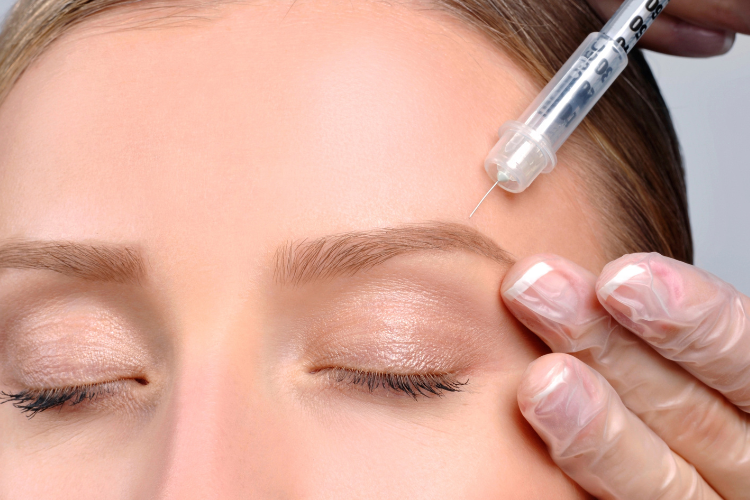
Botox Isn’t Just for Lines: How It’s Used to Rebalance Facial Movement
Botox is now synonymous with wrinkle erasure in the public consciousness. However, this narrow focus on wrinkles misses the most revolutionary aspect of neuromodulators: their ability to act as a precision tool for facial architecture and movement.
Modern cosmetic treatments are moving away from the “line-chasing” approach. Today, the most skilled injectors use Botox and counterparts like Xeomin to rebalance facial dynamics, correct asymmetries, and alleviate physical tension.
By shifting the focus from the surface wrinkle to the underlying muscle, we can now achieve results that don’t just look younger; they look more harmonious, comfortable, and more authentically you. Here’s how Botox acts as more than just a wrinkle eraser.
How Does Facial Muscle Imbalance Work?
Every expression we make is a result of a delicate power struggle between elevator muscles in the face that pull features upward and depressor muscles which pull the features down.
Over time, this balance can shift because of genetics, aging, and even repetitive daily habits like squinting at a screen or clenching your jaw in traffic. These can cause certain muscles to become hyper-dominant in the face.
When one muscle group overpowers its neighbor, it can alter the entire facial landscape. You might notice one eyebrow sitting lower than the other, a downturned corner of the mouth that makes you look sad when you’re not, or a heavy feeling in the brow. More than obvious signs of aging, these are telltale signs of a muscular imbalance.
What Botox Actually Does Is Relaxation, Not Paralysis
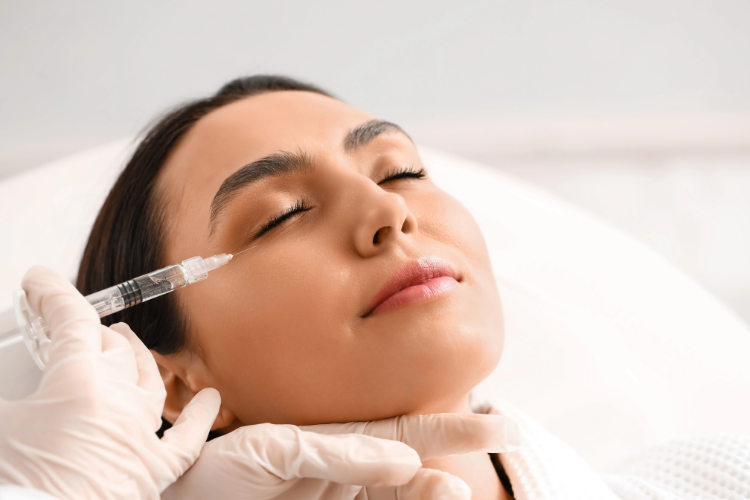
One of the greatest myths about Botox is that it kills muscle movement. In reality, Botox is a modulator that works by temporarily blocking the signal between the nerve and the muscle, turning down the volume of that muscle’s contraction.
When an injector places a precise, conservative dose into a dominant muscle, they aren’t trying to stop it from moving entirely. Instead, they are trying to weaken its pull just enough so that the opposing muscle can do its job.
For example, by relaxing the muscles that pull the brows down, the muscles that lift the brows can work more effectively, resulting in a natural, refreshed lift that doesn’t require surgery.
Also Read: The New Era of “Natural Aesthetics”: Subtle Enhancements, Lasting Confidence
Rebalancing vs. Treating Individual Lines
In the early days of cosmetic injectable treatments, patients would point to a single line and ask for it to be gone. However, focusing solely on one wrinkle can actually create new problems.
The muscles of the face are interconnected, so when you completely shut down one area, other muscles often overcompensate to pick up the slack and subsequently cause unnatural movement or “Spock brows.”
A balance-focused approach looks at the face as a whole ecosystem. Instead of treating a single horizontal forehead line, a provider assesses how the forehead interacts with the eyebrows and eyelids.
By treating muscle groups in tandem, we can make sure that the face moves as a single, fluid unit. This is how you get anti-aging results that are practically invisible, i.e., people will notice you look well rested and refreshed, but they won’t be able to point to exactly why.
Common Areas Botox Improves Balance
- Brows and Forehead: Many people have natural asymmetry, with one brow higher or more mobile than the other. Strategic Botox can quiet the more active side, so that the two brows sit in better alignment.
- Masseters (Jawline): For people with TMJ or chronic teeth grinding, the masseter muscles can become bulky and overactive, which causes pain and headaches and can also square off the jawline for a heavy look. Relaxing these muscles slims the lower face and relieves significant physical tension.
- DAO (Depressor Anguli Oris): These are the muscles that pull the corners of the mouth down. If these are hyperactive, they create a permanent,sad-looking expression. A small amount of Botox here allows the corners of the mouth to return to a neutral, more pleasant position.
- Mentalis (Chin): “Peau d’orange” or chin dimpling happens when the chin muscle overworks. Relaxing this area smooths the chin and can even help the lower lip sit more naturally.
- Platysmal Bands (Neck): These vertical bands in the neck can pull down on the entire lower face. By relaxing them with a Nefertiti Lift, we reduce the downward pull on the jawline, helping maintain a sharper, more balanced profile.
Also Read: Botox Brow Lift vs. Filler Lift: Which One Works Best?
Functional Benefits
While cosmetic changes are the most visible, the functional benefits of facial rebalancing are often what patients appreciate most. When we correct a muscle imbalance, we often eliminate the effort of facial expression.
Patients frequently report a reduction in tension-related headaches once their forehead or jaw muscles are no longer in constant contraction.
Others notice that their resting face feels more comfortable because when their muscles aren’t constantly tugging in opposing directions, their face feels lighter.
This improved symmetry in motion, i.e., how you look when you laugh, talk, and emote, is the true hallmark of a successful facial balancing treatment with Botox.
Why Less is More
If the goal is balance, then more Botox is rarely the answer. Over-treatment is the quickest way to disrupt facial harmony.
When too much product is used, the face loses its ability to compensate naturally, resulting in a flattened effect in which the eyes and mouth do not convey the same emotion.
The modern, sophisticated injector will practice more restraint. It is far better to under-treat and add more during a follow-up than to over-relax a muscle and wait four months for it to wear off.
Rebalancing is a nuanced process that requires observing how a patient’s face moves in real time, identifying the dominant drivers of expression, and applying just enough product to soften the edges.
Also Read: How Long Do Cosmetic Injectables Last? A Treatment-by-Treatment Breakdown
How a Professional Assesses Your Facial Movement
When you visit your local med spa for a rebalancing consultation, the experience should be very different from a standard, quick-fix appointment.
A skilled injector will spend a significant amount of time watching you talk. They will ask you to frown, smile, squint, and perhaps even recite the alphabet.
What they are looking for is what’s called dynamic asymmetry: how your muscles pull when you are actually living your life, not just when you are sitting still in a chair.
They are identifying which muscles are pulling too hard and which ones are being bullied by their neighbors. This assessment enables them to customize the Botox dosage and placement to your unique facial anatomy.
Botox as Functional Care at Elite Med Spa
When used with precision and anatomical insight, Botox is a tool for facial harmony. It is a way to support your natural expressions, reduce physical tension, and help your face reflect how you actually feel on the inside.
By reframing Botox as functional facial care, we move away from the pressure of perfection and toward the goal of balance. Whether it’s softening a heavy brow, relaxing a clenched jaw, or evening out a smile, the modern application of neuromodulators is about helping you move through the world with more comfort and confidence.
Interested in facial balancing treatment with expert Botox injections? Book an appointment today at Elite Medical Spa of Sarasota to get started.